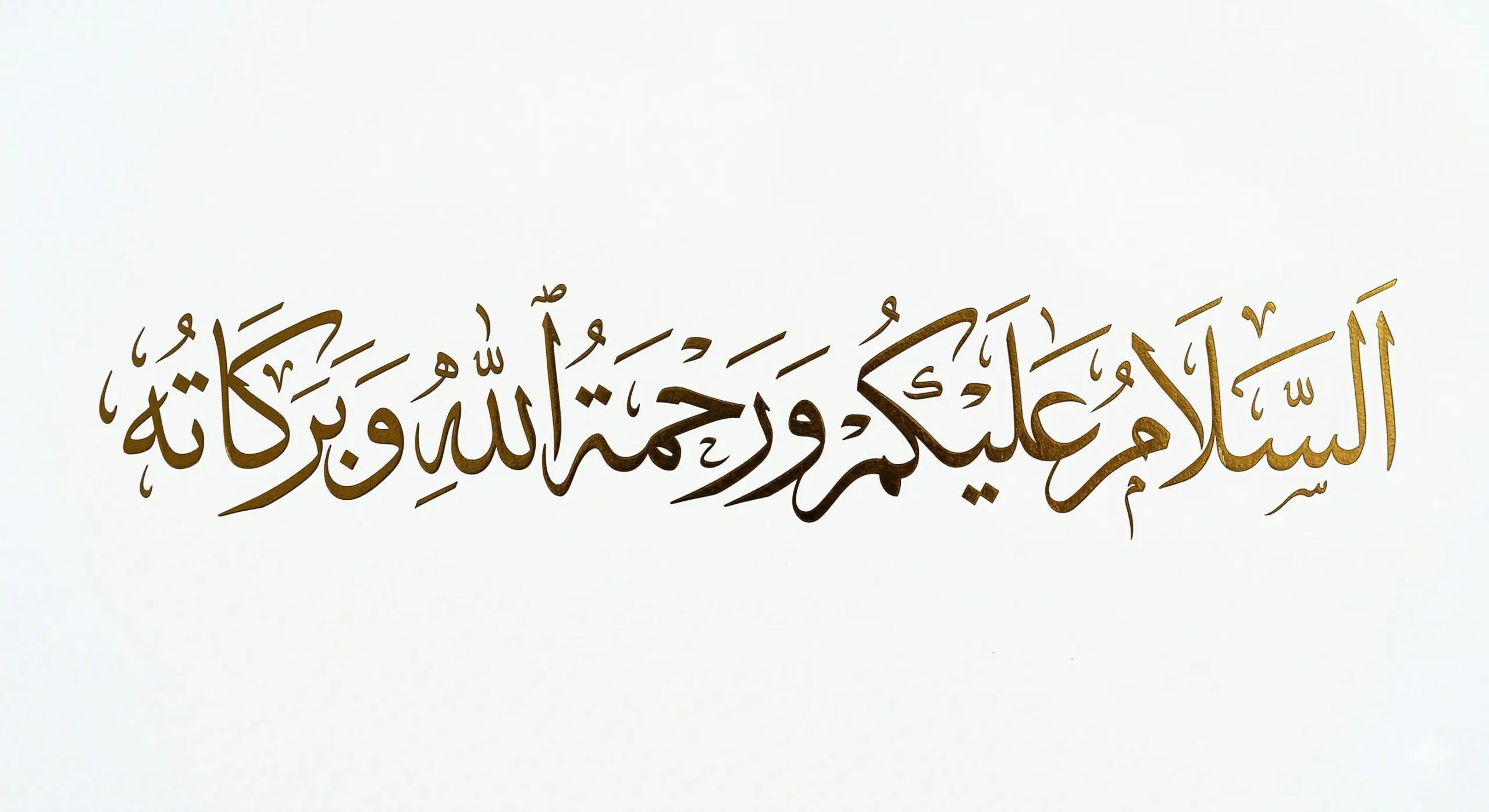
Imagine carrying a universal password that instantly dissolves hostility, invokes divine protection, and guarantees absolute peace—all in under two seconds. Millions say it every day, but very few actually understand the immense spiritual weight they are placing on their tongues.
When we rush past each other and mumble the words, we are often treating a profound divine covenant like a casual “hello.” Let’s look at the heart of the issue and uncover the true weight of the Islamic greeting.
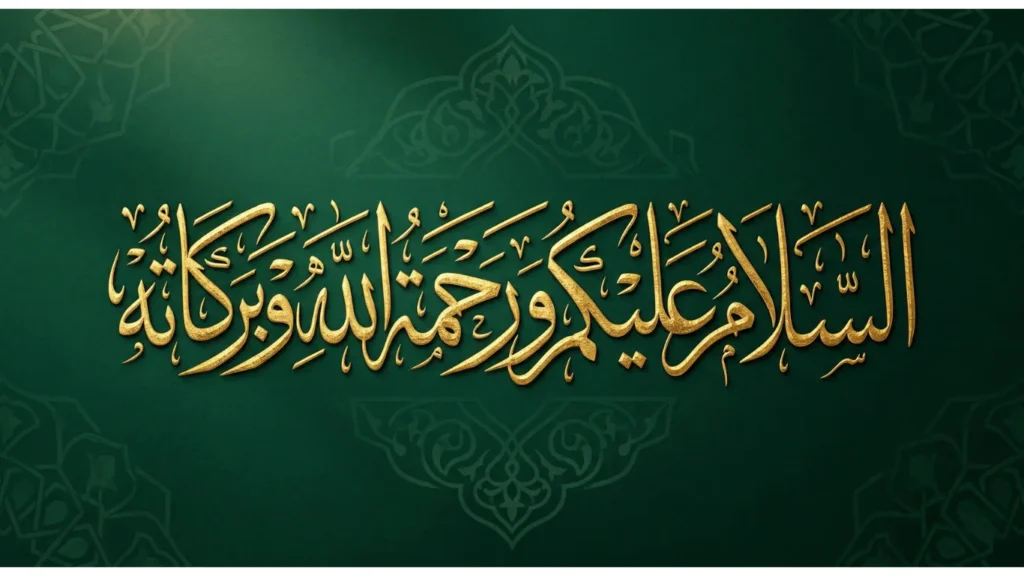
Assalamu Alaikum wa Rahmatullahi wa Barakatuh
Assalamualaikum translates literally to “Peace be upon you.” In Islamic tradition, it is a profound prayer invoking Allah’s name, As-Salam (The Source of Peace), to protect the person you are greeting from all physical and spiritual harm.
To truly grasp its linguistic beauty, we need to break down the vocabulary.
The Word-by-Word Breakdown
- Word: As-Salam
- Arabic Script: السَّلَامُ
- Pronunciation: As-Sa-laa-mu
- English Meaning: The Peace / The Flawless
- Urdu Meaning: سلامتی ہو (Salamti ho)
- Word: Alaikum
- Arabic Script: عَلَيْكُمْ
- Pronunciation: A-lay-kum
- English Meaning: Upon you (plural)
- Urdu Meaning: تم پر (Tum par)
Even when speaking to a single individual, the plural “Alaikum” is used. Classical scholars explain this is to acknowledge both the person and the recording angels assigned to them.
The Divine Origins: Where Did the Greeting Come From?
The Islamic greeting Assalamualaikum was first taught directly by Allah to Prophet Adam. According to authentic Hadith, Allah commanded Adam to greet the angels with these words, establishing it as the eternal greeting for humanity and the inhabitants of Paradise.
This is not a cultural evolution; it is a divine decree.
The Multilingual Quadrant: The Hadith of Adam (AS)
- Arabic: فَقَالَ: اذْهَبْ فَسَلِّمْ عَلَى أُولَئِكَ النَّفَرِ مِنَ الْمَلَائِكَةِ، جُلُوسٌ، فَاسْتَمِعْ مَا يُحَيُّونَكَ، فَإِنَّهَا تَحِيَّتُكَ وَتَحِيَّةُ ذُرِّيَّتِكَ
- Transliteration: Faqala: Idh-hab fasallim ‘ala ula’ika an-nafari minal-mala’ikati, julusun, fastami’ ma yuhayyunaka, fa-innaha tahiyyatuka wa tahiyyatu dhurriyyatika.
- English (Saheeh International context): Allah said: “Go and greet that company of angels who are sitting and listen to what they say in reply, for that will be your greeting and the greeting of your offspring.” (Sahih al-Bukhari)
- Urdu: اللہ تعالیٰ نے فرمایا: جاؤ اور فرشتوں کی اس جماعت کو جو بیٹھی ہے سلام کرو، اور غور سے سنو کہ وہ تمہیں کیا جواب دیتے ہیں، کیونکہ یہی تمہارا اور تمہاری اولاد کا سلام ہوگا۔
How to Reply to Assalamualaikum Properly
The obligatory reply to Assalamualaikum is “Wa Alaikum As-Salam,” meaning “And upon you be peace.” It is a sunnah to offer a better reply by adding “Wa Rahmatullah” (and the mercy of Allah) and “Wa Barakatuh” (and His blessings).
In Islamic Fiqh (jurisprudence), initiating the Salam is a highly recommended Sunnah, but returning it is an absolute obligation (Fard). The Qur’an commands us to return a greeting with one that is equal or superior.
The Multilingual Quadrant: The Qur’anic Command
- Arabic: وَإِذَا حُيِّيتُم بِتَحِيَّةٍ فَحَيُّوا بِأَحْسَنَ مِنْهَا أَوْ رُدُّوهَا
- Transliteration: Wa-itha huyyeetum bitahiyyatin fahayyoo bi-ahsana minha aw ruddooha.
- English (Saheeh International): “And when you are greeted with a greeting, greet [in return] with one better than it or [at least] return it [in a like manner].” (Surah An-Nisa 4:86)
- Urdu (Fateh Muhammad Jalandhari): اور جب تم کو کوئی دعا دے تو تم بھی اس کو اس سے بہتر لفظوں میں دعا دو یا انہی لفظوں میں جواب دے دو۔
The Etiquette of Entering Homes
When entering a house, you must say Assalamualaikum even if the house is empty. This acts as a prayer for your own household and brings the blessings of Allah into your living space.
Classical mufassirun, including Ibn Kathir, note that invoking peace upon entering a home prevents the Shaitan (devil) from partaking in the household’s meals and resting places.
The Multilingual Quadrant: Surah An-Nur
- Arabic: فَإِذَا دَخَلْتُم بُيُوتًا فَسَلِّمُوا عَلَىٰ أَنفُسِكُمْ تَحِيَّةً مِّنْ عِندِ اللَّهِ مُبَارَكَةً طَيِّبَةً
- Transliteration: Fa-itha dakhaltum buyootan fasallimoo ‘ala anfusikum tahiyyatan min ‘indi Allahi mubarakatan tayyibatan.
- English (Saheeh International): “But when you enter houses, give greetings of peace upon each other – a greeting from Allah, blessed and good.” (Surah An-Nur 24:61)
- Urdu (Fateh Muhammad Jalandhari): پھر جب تم گھروں میں جانے لگو تو اپنے لوگوں کو سلام کیا کرو (یہ) خدا کی طرف سے مبارک اور پاکیزہ تحفہ ہے۔
The Digital Sunnah: Bringing “Salam” into the Modern World
Here is why this matters for you today. We live in an era of rapid digital communication, and our spiritual habits often get left behind in our smartphones.
The concept of “The Digital Sunnah” requires us to treat our WhatsApp messages, emails, and social media comments with the same spiritual etiquette as a face-to-face meeting. Shortening the greeting to “AsA,” “slmz,” or “AoA” strips away the profound invocation of Allah’s name. If you are typing a message, type out the full Salam.
Establishing a proper introduction in our written communication sets a foundation of barakah (blessing), much like how the most powerful and profound letter of Prophet Sulaiman began with divine grace. Taking those extra two seconds to type the full greeting ensures you are actively participating in the prayer.
The Psychological Safety of Spreading Peace
Imam Nawawi, in his monumental work Riyad as-Salihin, dedicated extensive chapters to the virtue of spreading the Salam. It is the ultimate social equalizer.
When you look a stranger in the eye and wish them divine peace, you are declaring: “My tongue will not slander you, my hands will not harm you, and your honor is safe with me.” It requires a heart that is free of malice. When you internalize this practice, it naturally leads to a serene state of mind, anchoring your heart in complete reliance on the Almighty to handle your affairs.
People Also Ask:
Can I say Salam to a non-Muslim? Yes, many contemporary and classical scholars agree that you can greet non-Muslims with words of peace or return their greetings of peace, fostering good character, neighborliness, and mutual respect in a multicultural society.
What happens if someone doesn’t reply to my Salam? If someone hears your Salam and intentionally ignores it without a valid excuse, they are neglecting an Islamic obligation. However, the angels return the greeting of the one who initiated it, meaning your prayer of peace is never wasted.
Is it mandatory to say Salam when entering an empty house? Yes, it is highly recommended (Sunnah) to say “As-salamu alayna wa ‘ala ‘ibad-illah is-saliheen” (Peace be upon us and upon the righteous servants of Allah) when entering an empty house to bring blessings and ward off negative unseen presence.
The next time you meet someone, type an email, or walk through your front door, pause for just a moment. Remember the weight of the words you are about to use.
