Surah ash-shu’ara, verses 62 — Inna maiya rabbi sayadin
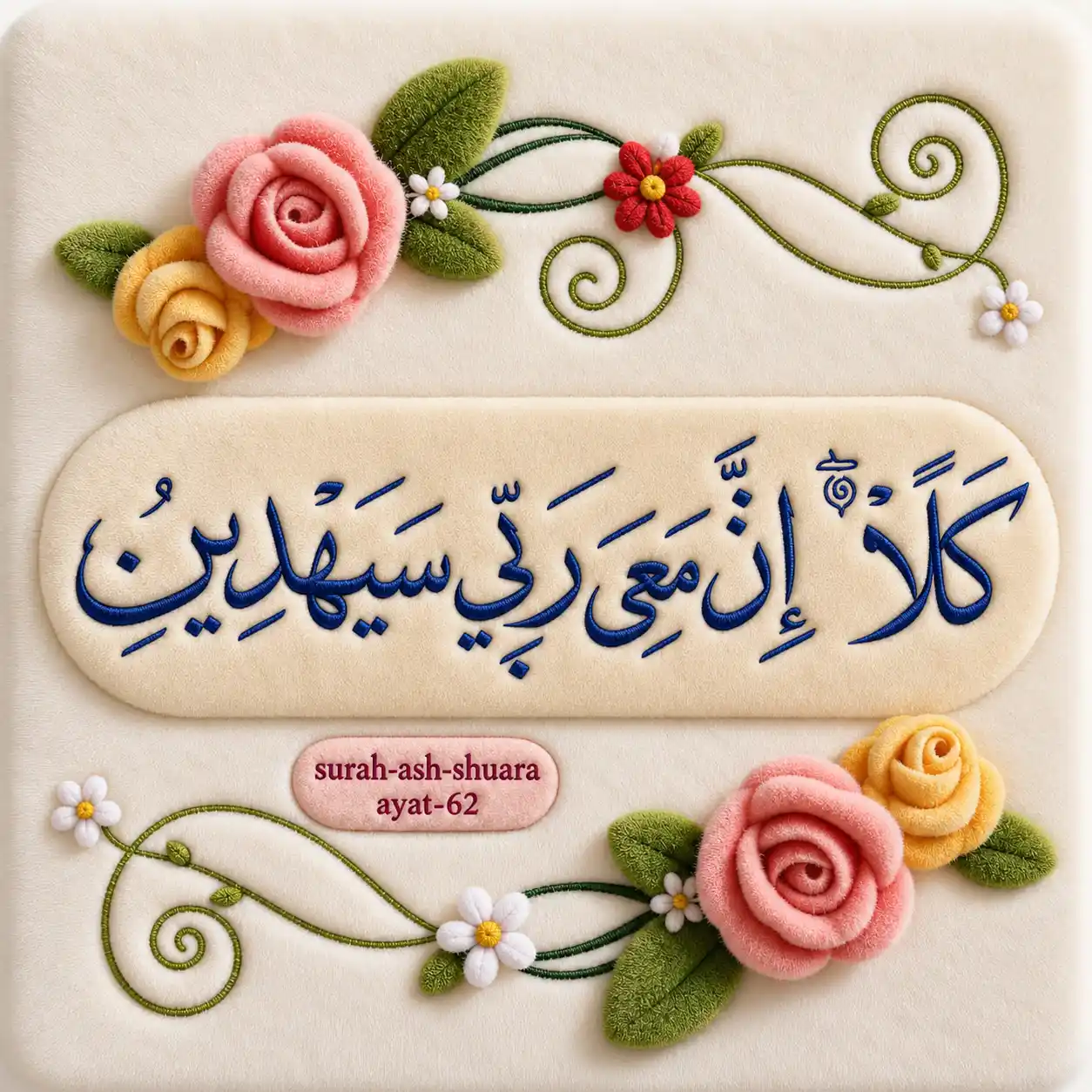
Thuluth Arabic calligraphy of “كَلَّا ۖ إِنَّ مَعِيَ رَبِّي سَيَهْدِينِ” from Surah Ash-Shu'ara Ayat 62 with embroidered floral roses and decorative Islamic artwork.

When you feel trapped like Prophet Musa at the sea, this single verse from Surah Ash-Shu’ara becomes your strongest weapon against despair. What Does “Inna Ma’iya Rabbi Sayahdini” Mean? “Inna ma’iya rabbi sayahdini” (إِنَّ مَعِيَ رَبِّي سَيَهْدِينِ) translates to “Indeed, my Lord is with me; He will guide me.” This is Prophet Musa’s (Moses) powerful declaration of trust … Read more
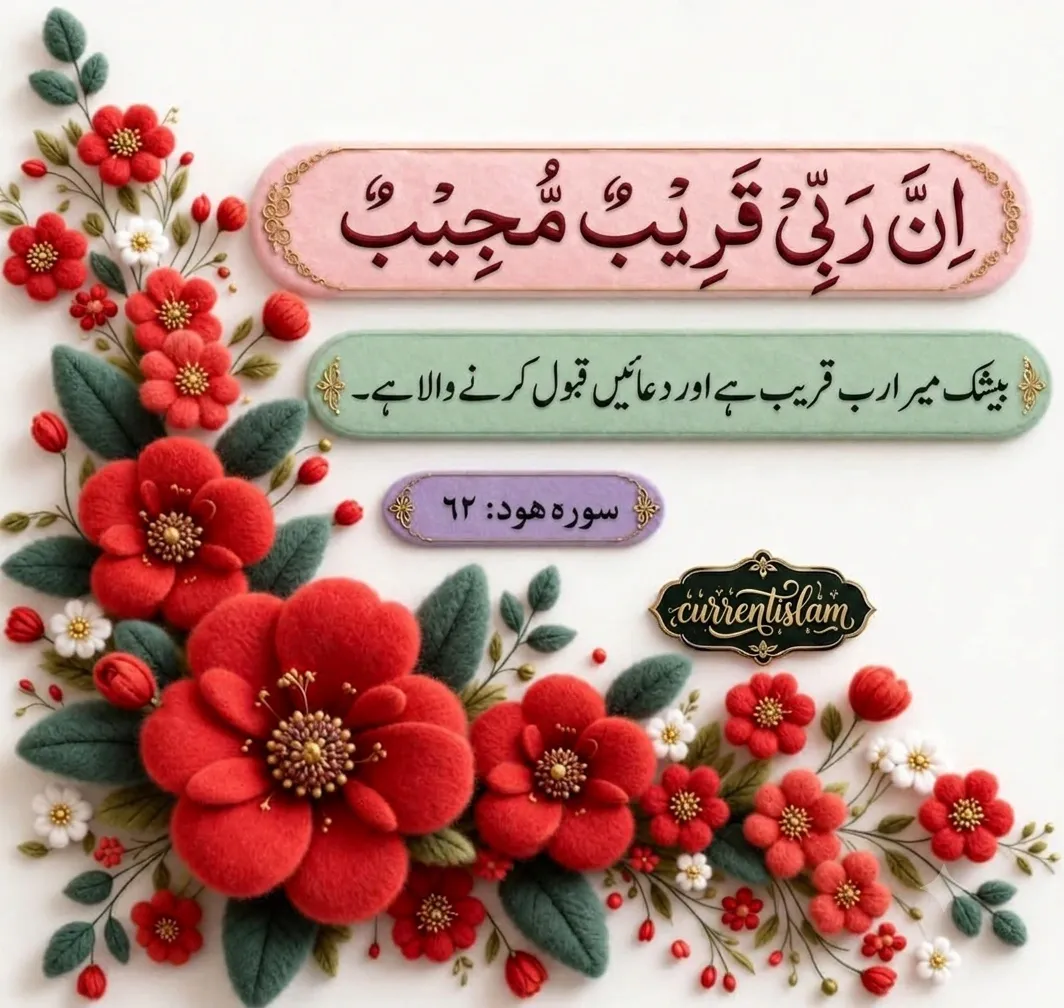
Quran (Surah hud 11:62)  — Inna rabbi qareebun mujeeb​

High-resolution Thuluth Arabic calligraphy of Inna Rabbi Qareebun Mujeeb from Surah Hud verse 61, featuring the Urdu translation 'Beshak mera Rab qareeb hai aur duain qabool karne wala hai' surrounded by elegant 3D red and white floral art.

Have you ever felt like your voice is getting lost in the noise of a busy household? Between managing daily schedules, guiding your children, and trying to hold onto your own peace of mind, it is easy to feel overwhelmed and disconnected. You want to build a peaceful, faith-driven home, but some days, it feels … Read more

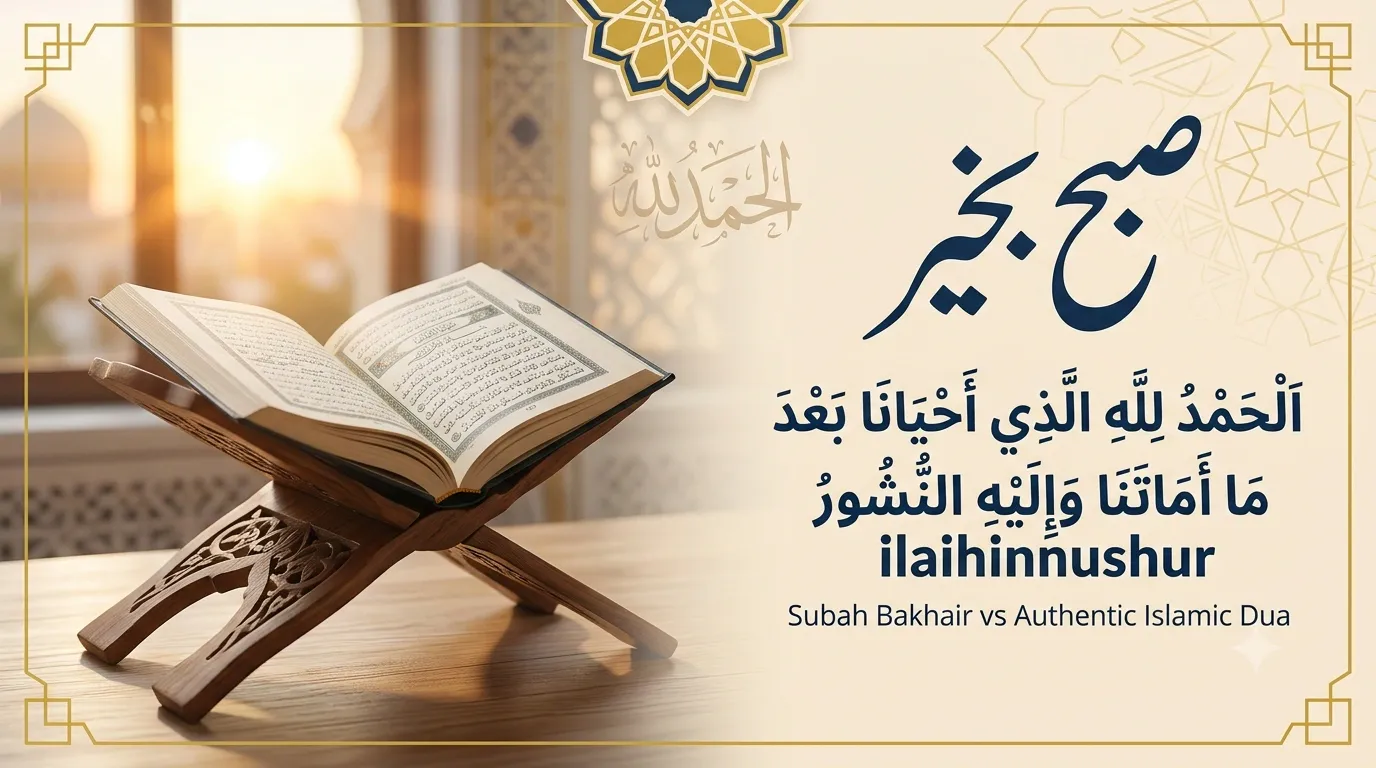
Good morning dua in urdu — Subah bakhair vs authentic dua

Open Quran on a wooden stand bathed in golden sunrise lighting, featuring elegant Urdu calligraphy for Subah Bakhair and Arabic text for authentic Islamic morning duas.

Start Your Day with Authentic Morning Dua, Not Just “Subah Bakhair” What if the words you say when you wake up could change your entire day—your mindset, your mood, your productivity, and even your spiritual calm? Many Muslims in Pakistan, India, the UK, and around the Urdu-speaking world start their day with “Subah bakhair” (good morning). But … Read more

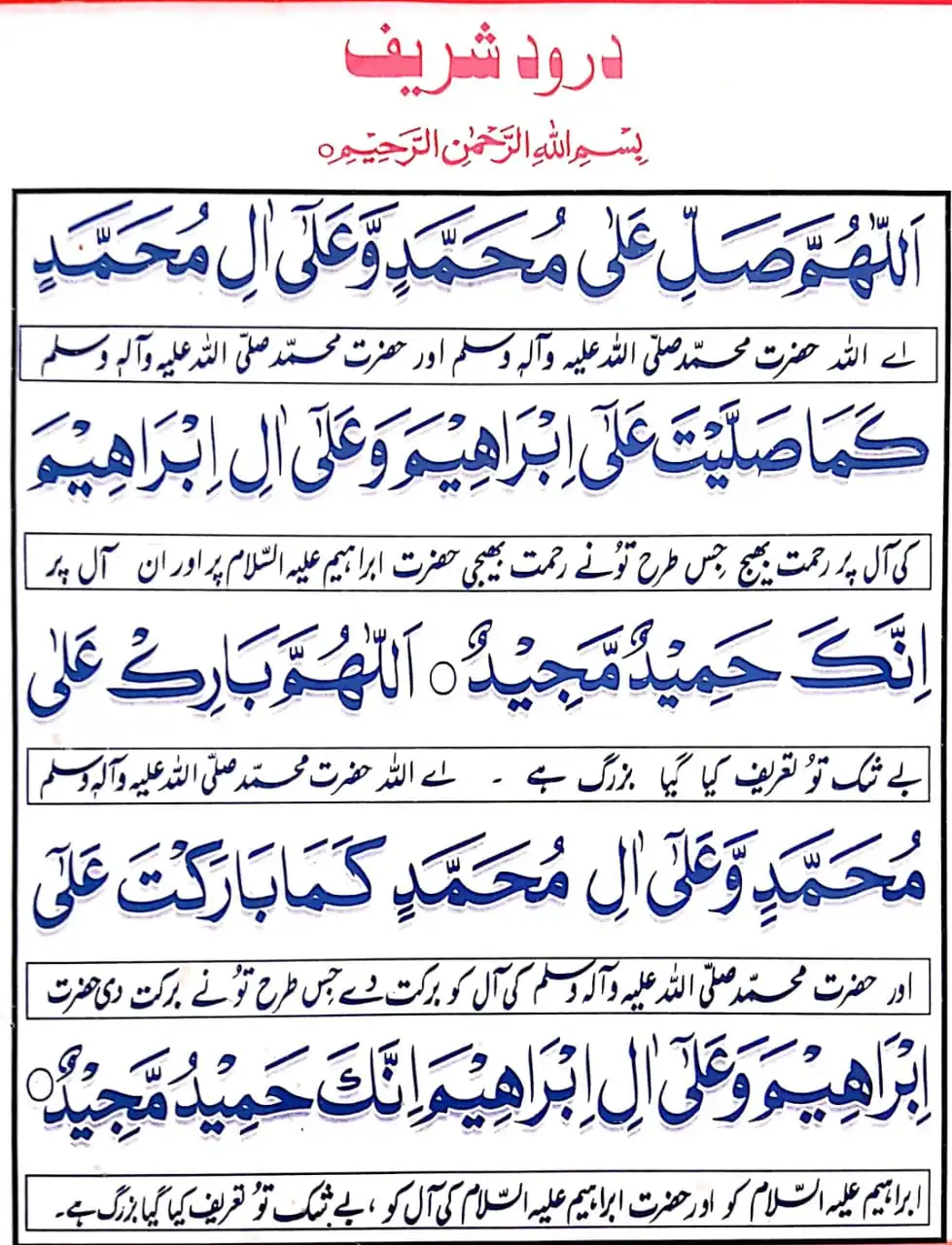
Durood shareef​ (ibrahim​) — Allahumma salli ala muhammadin

Durood Ibrahim in Arabic calligraphy with Urdu translation and explanation, featuring the complete Darood Sharif prayer recited in Salah for blessings upon Prophet Muhammad ﷺ and Prophet Ibrahim عليه السلام.

The question that changes everything: What if the most powerful thing you could do today takes less than 10 seconds? For Gen-Z Muslims scrolling through endless content in 2026, the answer might be right beneath your fingertips. Durood Shareef isn’t just another Islamic practice—it’s a digital-age spiritual habit that thrives in apps, voice search, and social media. … Read more

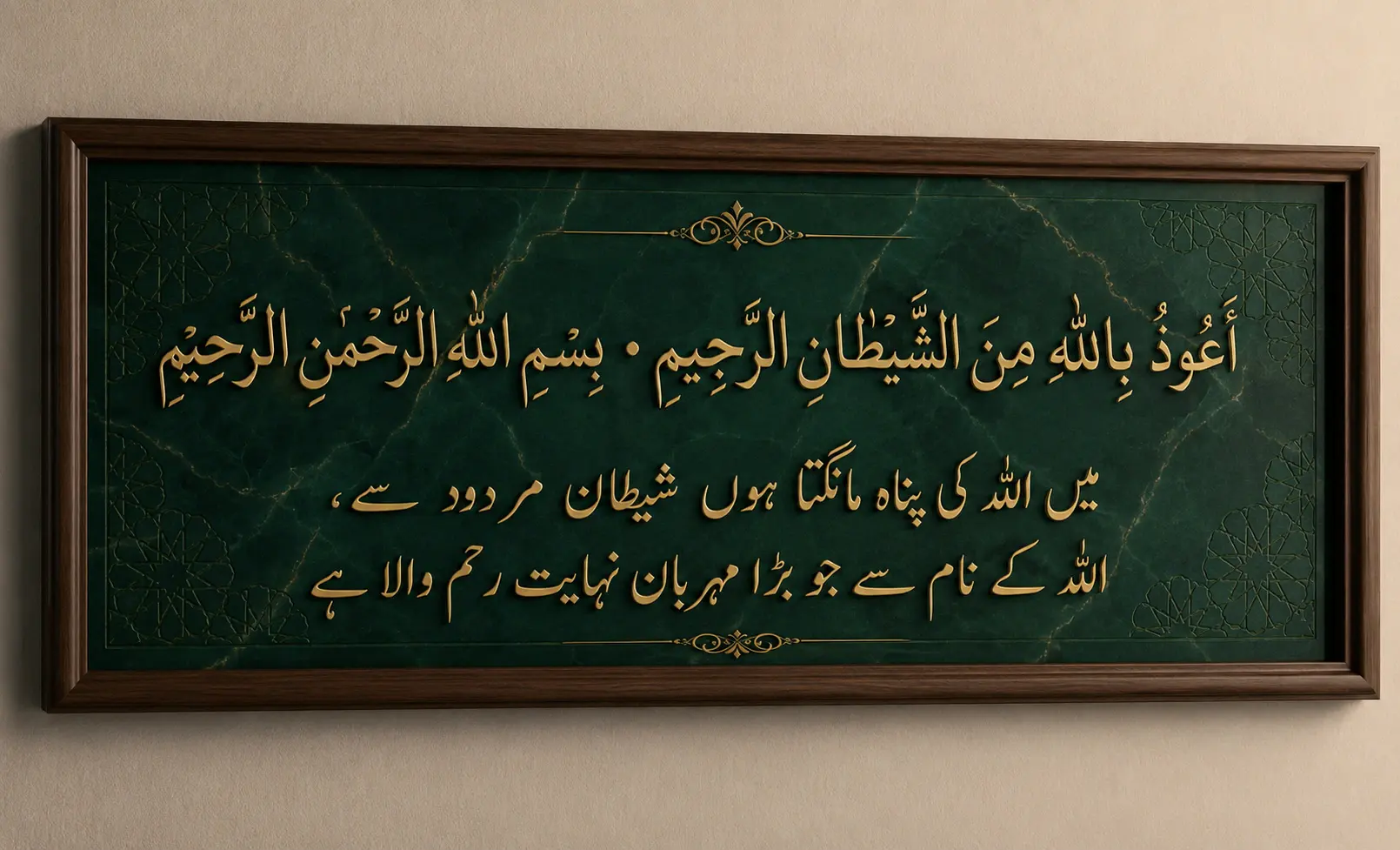
Auzubillah minashaitan nirajeem bismillahir rahmanir rahim

Elegant Islamic Thuluth calligraphy displaying A'udhu Billahi Min Ash-Shaytanir-Rajeem and Bismillahir-Rahmanir-Raheem in gold Arabic script on a green marble background with Urdu translation and decorative wooden frame.

What if the 3-second pause before opening your next app could shield your mind from anxiety, toxic thoughts, and invisible spiritual interference? Every day, millions of Muslims scroll through social media, check stressful emails, or face workplace pressure without realizing they’re exposing their hearts to satanic whispers. The solution isn’t complicated—it’s two phrases your grandmother … Read more

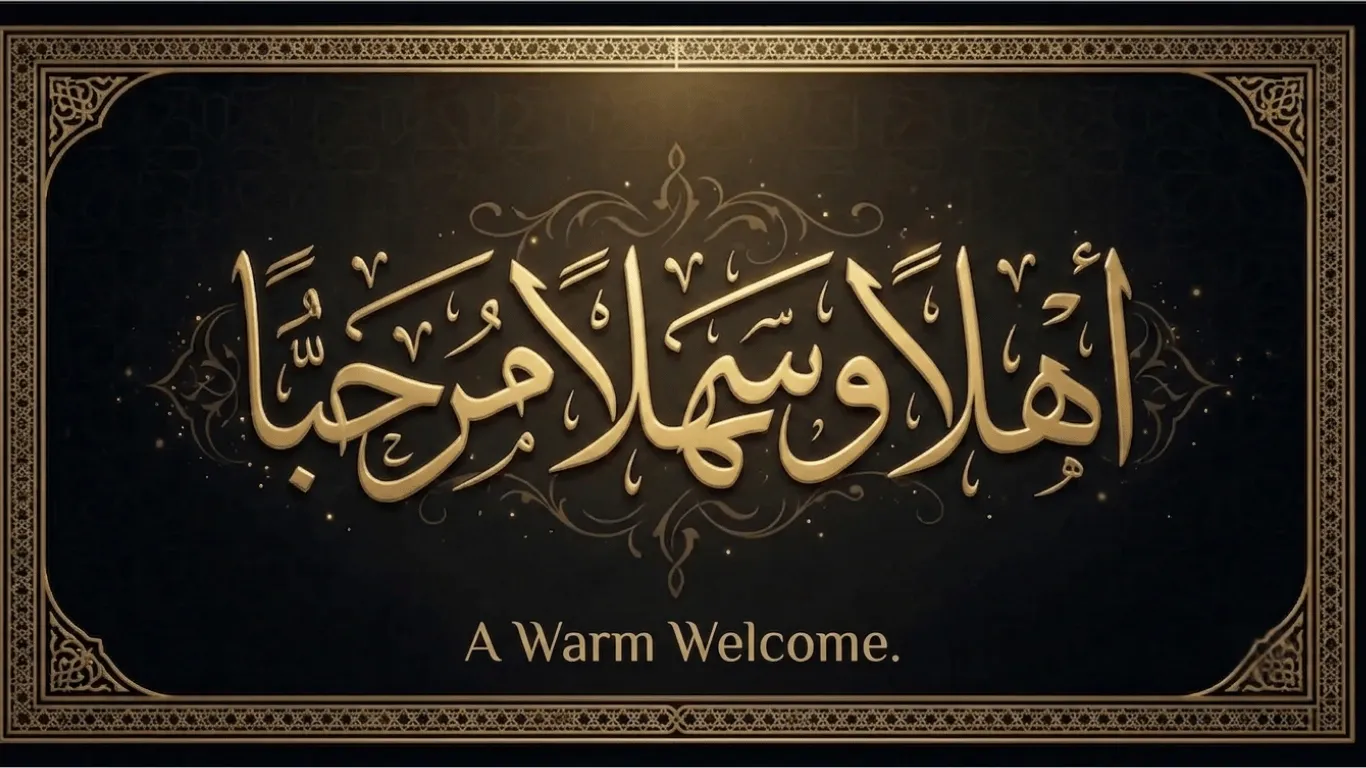
What is ahlan wa sahlan marhaba meaning in arabic? 

Golden Arabic calligraphy in the Thuluth script reading "Ahlan wa Sahlan Marhaban," translating to a warm welcome, set against a dark, ornamental geometric background. (Highly descriptive for screen readers and search engines, capturing both the literal text and visual context.)

What if the three words you’ve heard as simply “welcome” actually tell someone they’re no longer a stranger—but family? In mosques, homes, and Muslim communities across Pakistan, India, and the global Ummah, you hear it regularly: “Ahlan wa Sahlan Marhaba.” But what if almost everyone—including many Muslims—has only understood half its meaning? Here’s something that changes everything: … Read more

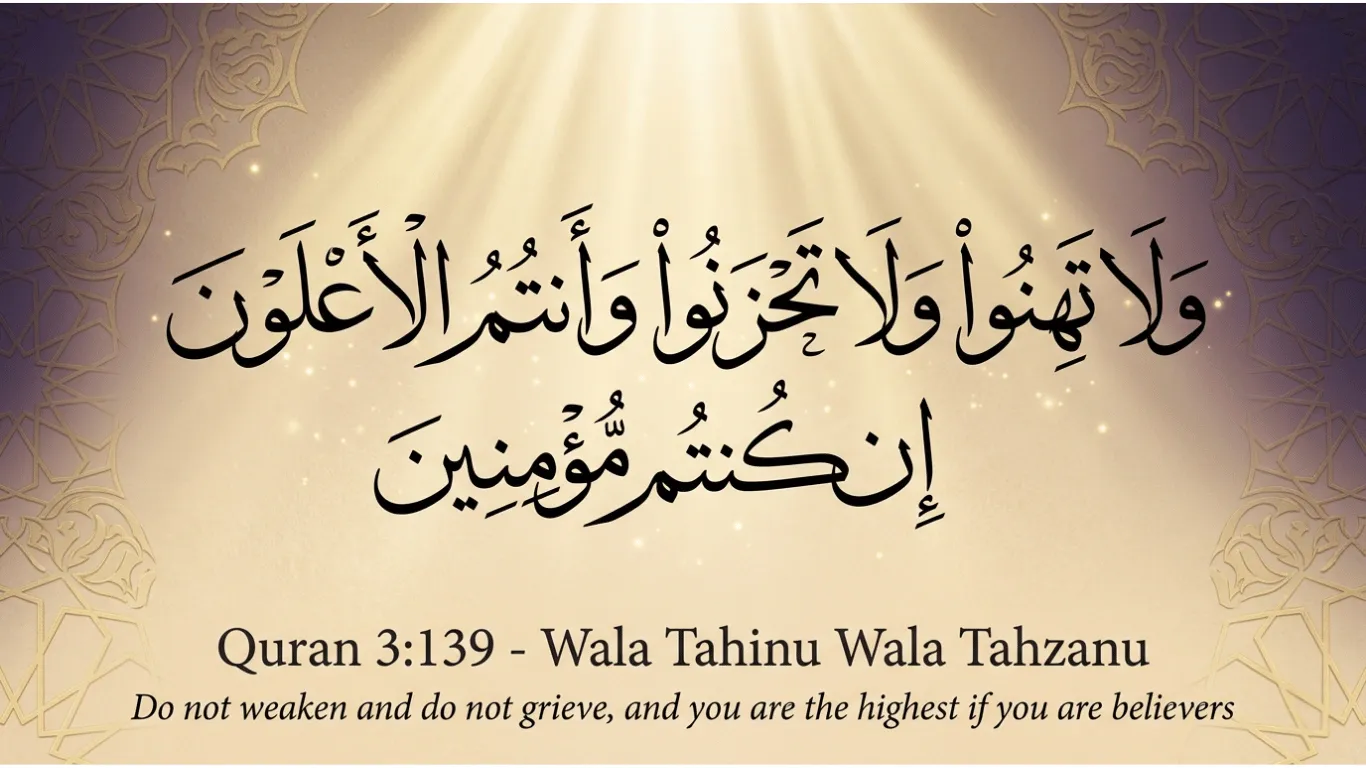
Surah ali ‘imran (verse 139) — wala tahinu wala tahzanu​

Elegant black Thuluth Arabic calligraphy of Quran verse 3:139 on a radiant cream and gold background, featuring the English translation 'Do not weaken and do not grieve, and you are the highest if you are believers.'

What does “wala tahinu wala tahzanu” mean? It means “So do not weaken and do not grieve” from Quran 3:139 (Surah Ali ‘Imran). Allah gave TWO separate commands addressing physical/spiritual weakness AND emotional grief—teaching us that true resilience requires both strength AND hope. When Grief Makes You Feel Weak You’re sitting in your room. The notification from the … Read more

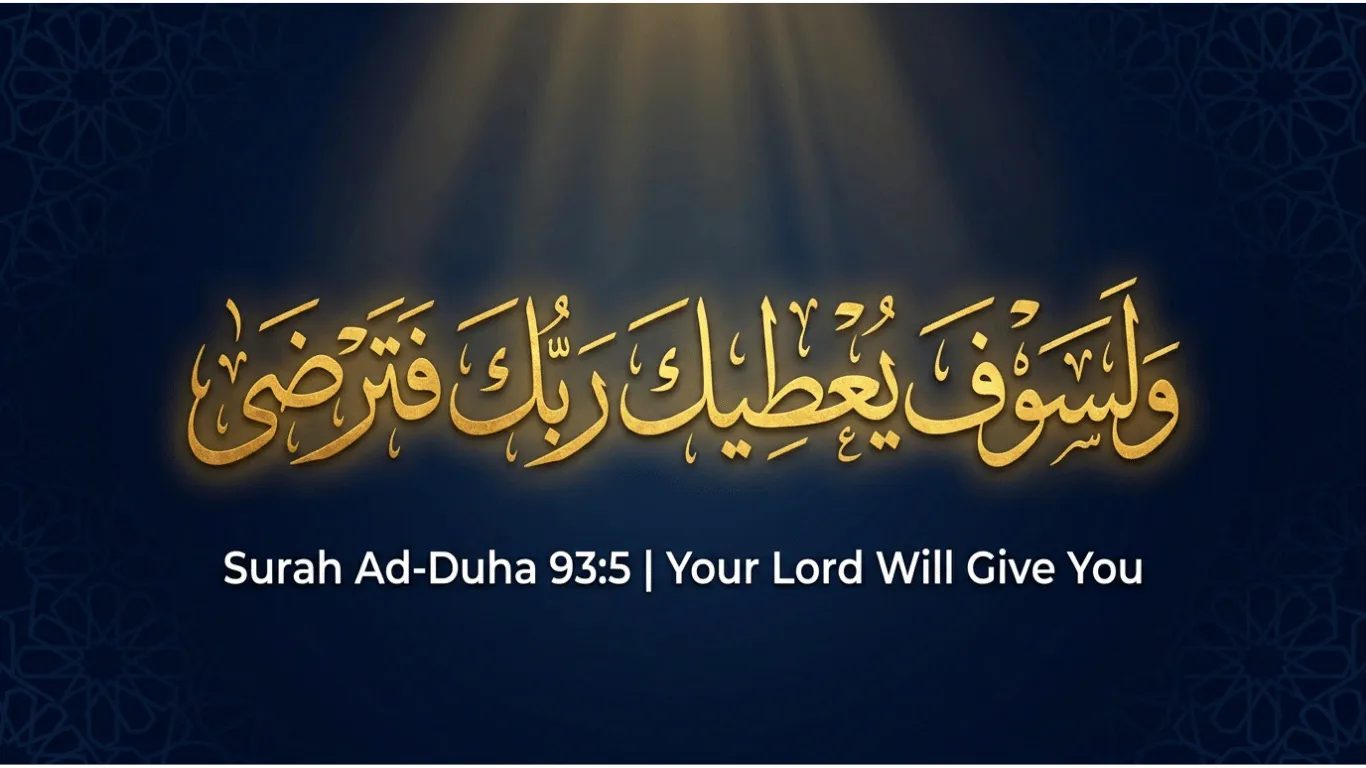
Surah ad-duha (93:5) — Wala saufa yutika rabbuka fatarda​

Golden Arabic calligraphy of Surah Ad-Duha verse 5 (Wala sawfa yuteeka rabbuka fatarda) on a dark navy blue geometric background with radiant light, featuring the English translation "Your Lord Will Give You.

What does “wala saufa yutika rabbuka fatarda” mean in simple terms? This Quranic verse from Surah Ad-Duha (93:5) means “And your Lord is going to give you, and you will be satisfied.” It’s Allah’s direct promise to Prophet Muhammad—and to you—that He will grant you blessings so abundant that you’ll feel complete contentment. This isn’t … Read more

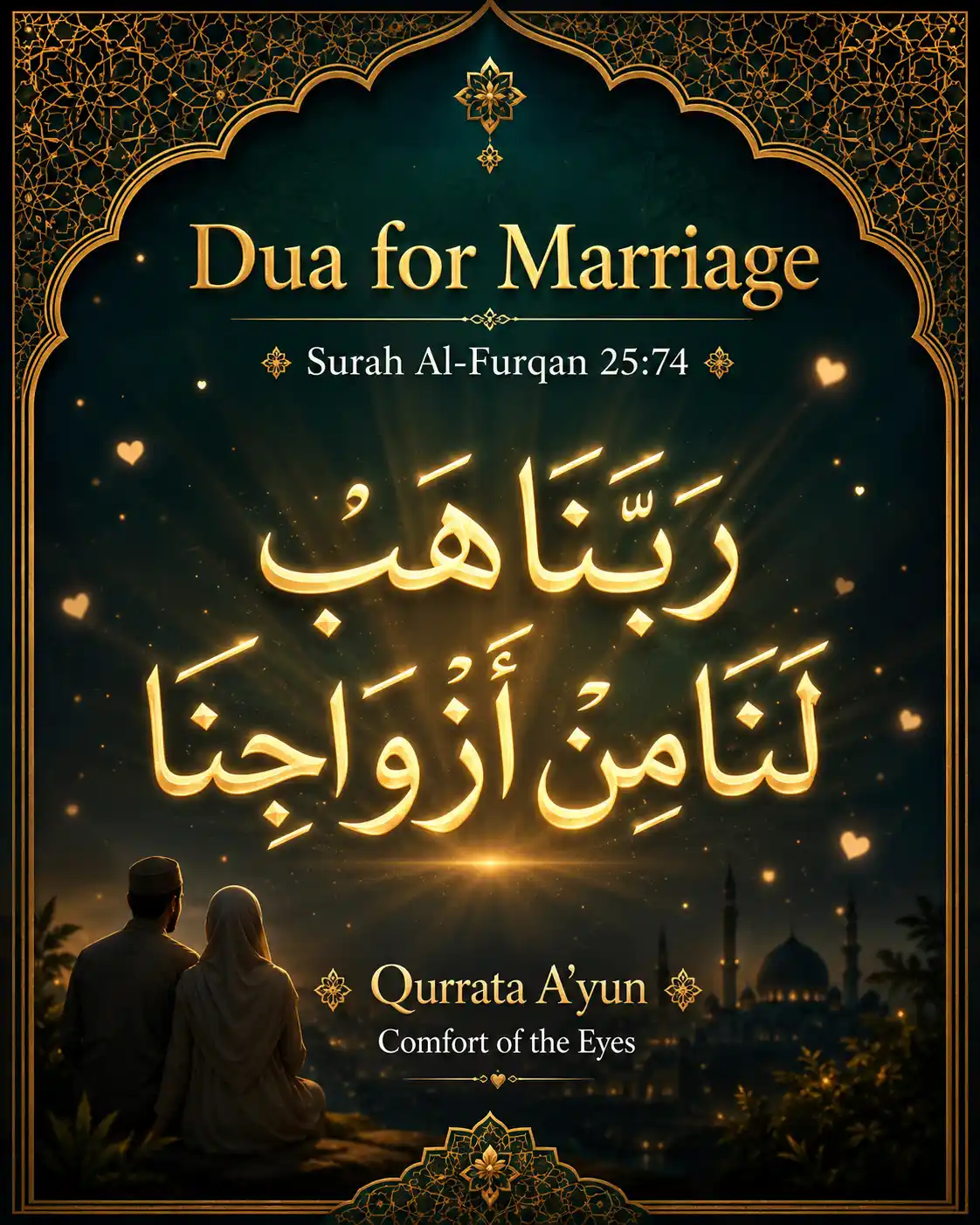
Dua for love marriage — Rabbana hab lana min azwajina

Islamic cover image featuring the marriage dua from Surah Al-Furqan 25:74 in glowing Arabic calligraphy with elegant gold accents, spiritual Islamic design, and the theme of a righteous spouse and family happiness.

What if the dua you’ve been reciting for marriage isn’t just about finding someone—it’s about becoming someone who deserves a righteous partner? For millions of Muslims in their 20s and 30s navigating love marriages, arranged proposals, or the fear of mismatched unions, this verse from Surah Al-Furqan offers something deeper than wishful thinking: a psychological framework … Read more

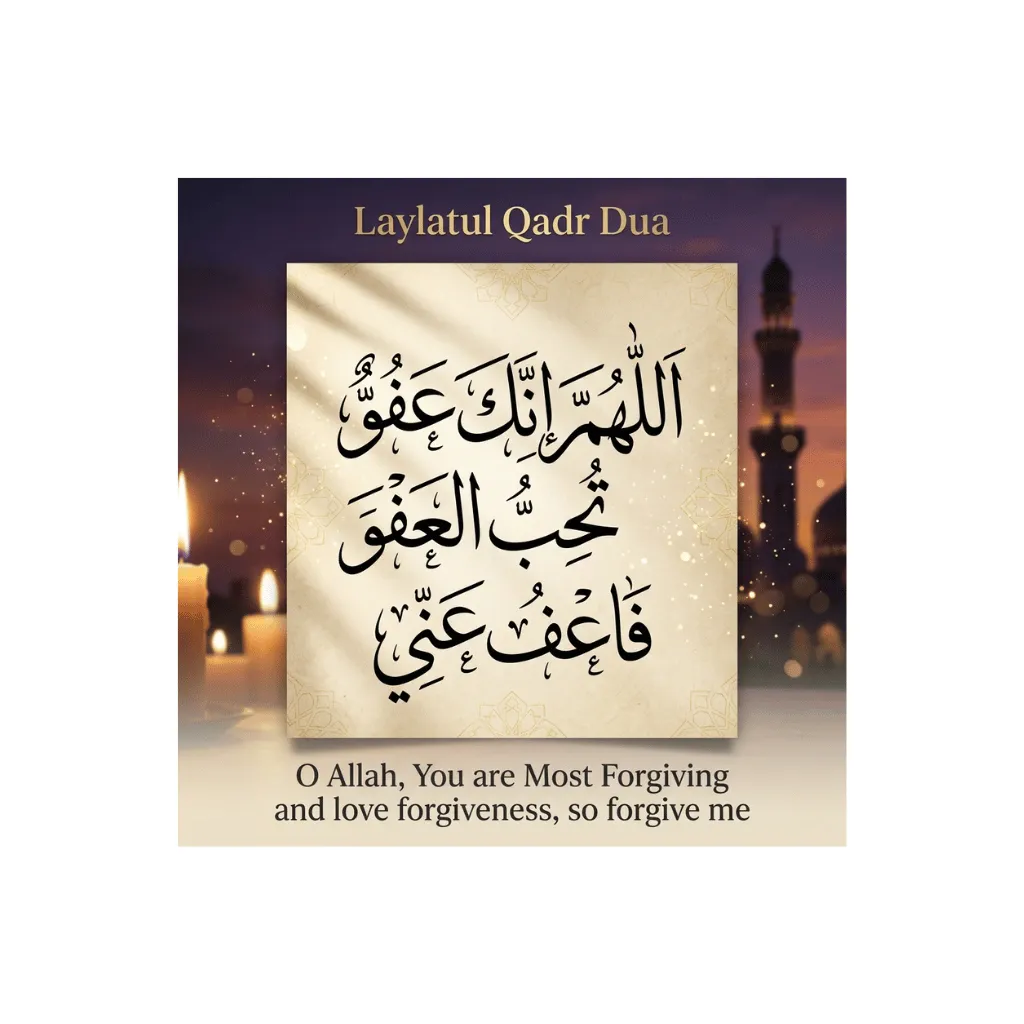
Laylatul qadr dua – Allahumma innaka afuwwun tuhibbul afwa

Arabic calligraphy of the Laylatul Qadr dua, Allahumma Innaka Afuwwun, featuring the English translation for complete forgiveness against a twilight mosque background.

What is the Allahumma Innaka Afuwwun dua? This powerful supplication means “O Allah, You are Most Forgiving and love forgiveness, so forgive me.” Prophet Muhammad (ﷺ) taught it specifically for Laylatul Qadr (Night of Decree), making it the essential prayer for complete sin erasure during Ramadan’s last ten nights. The Night That Changes Everything What if … Read more