What if one sentence from the Quran could settle the biggest question about Islam’s final prophet?
This is exactly what Surah Al-Ahzab, Ayah 40 does. The phrase “Ma kana Muhammadun aba ahadin” isn’t just about fatherhood—it’s Allah’s definitive statement that Prophet Muhammad ﷺ is the last prophet, closing the door on prophethood forever. For English-speaking South Asians and Western Muslims facing modern doubts about whether prophets can come after Muhammad ﷺ, this verse provides crystal-clear answers rooted in 1,400 years of scholarly consensus.
What Does Ma Kana Muhammadun Aba Ahadin Mean?
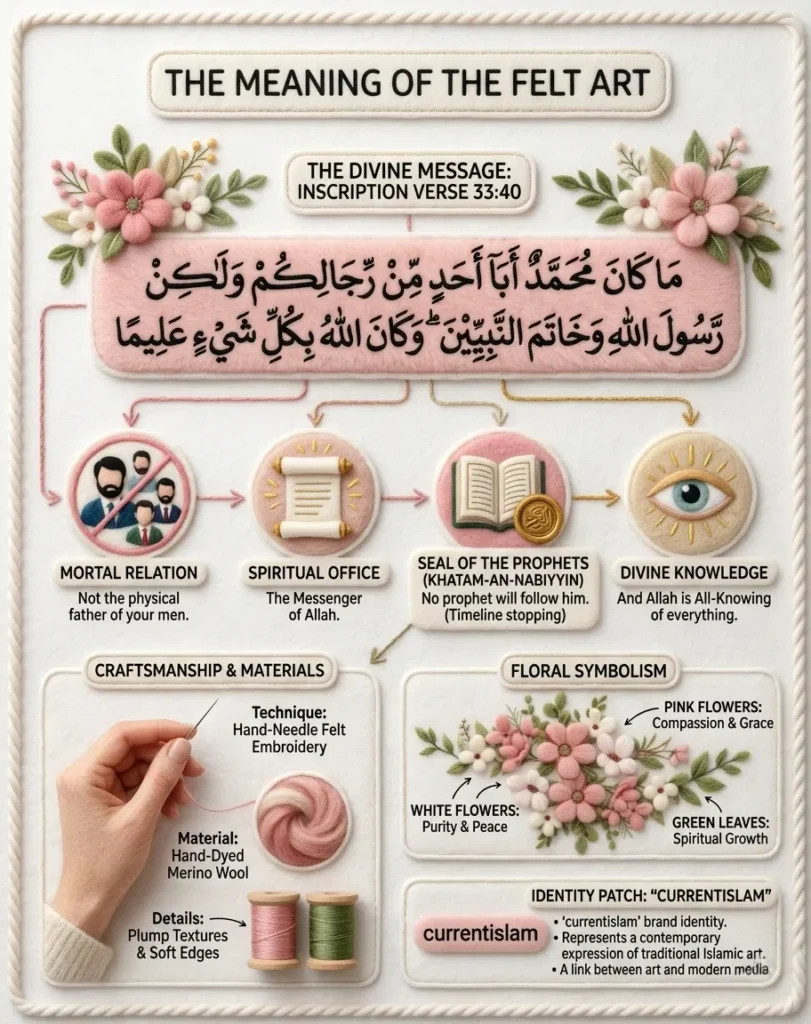
This Arabic phrase means “Muhammad is not the father of any one of your men.” It’s the opening of Surah Al-Ahzab, Ayah 40, which clarifies that Prophet Muhammad ﷺ had no surviving biological son, but more importantly, establishes him as Allah’s Messenger and the Seal of the Prophets—the final prophet with no one coming after him.
The Complete Verse in Arabic, English, and Urdu
Arabic Text
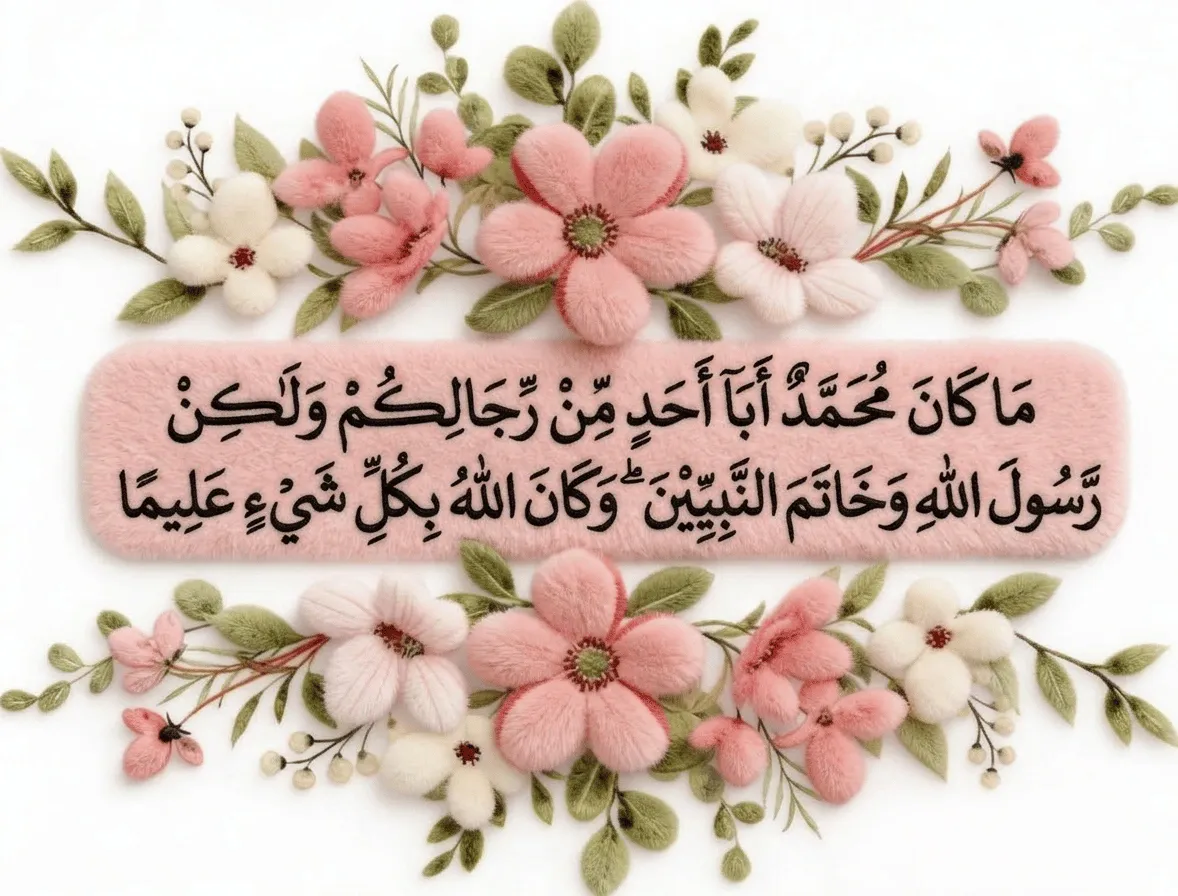
مَا كَانَ مُحَمَّدٌ أَبَا أَحَدٍ مِّن رِّجَالِكُمْ وَلَـٰكِن رَّسُولَ ٱللَّهِ وَخَاتَمَ ٱلنَّبِيِّۦنَ ۗ وَكَانَ ٱللَّهُ بِكُلِّ شَىْءٍ عَلِيمًۭا
Transliteration
Mā kāna Muḥammadun abā aḥadin min rijālikum wa-lākin rasūlallāhi wa-khātama al-nabiyyīn, wa-kāna Allāhu bi-kulli shay’in ‘alīm
English Translation (Sahih International)
“Muhammad is not the father of [any] one of your men, but [he is] the Messenger of Allah and the Seal of the Prophets. And Allah is ever Knowing of all things.”
Urdu Translation
“محمد ﷺ تمہارے مردوں میں سے کسی کے باپ نہیں ہیں، بلکہ آپ ﷺ اللہ کے رسول ہیں اور سب نبیوں پر مہر (آخری نبی) ہیں۔ اور یقیناً اللہ ہر چیز کا جاننے والا ہے۔”
Why This Verse Was Revealed: The Historical Context
This verse was revealed regarding Zayd ibn Harithah, Prophet Muhammad’s ﷺ adopted son. Pre-Islamic Arabs treated adopted sons as biological sons, calling Zayd “Zayd ibn Muhammad.” When Zayd divorced Zaynab bint Jahsh and the Prophet ﷺ married her, critics objected that he married his “daughter-in-law.” Allah revealed this verse to clarify that adopted sons are not biological sons in Islamic law, and simultaneously established the finality of prophethood.
The Social Problem Before This Verse
Before Islam:
- Adopted sons were called by the adoptive father’s name
- Zayd was known as “Zayd ibn Muhammad”
- Marriage prohibitions applied to adopted sons’ wives (like biological sons)
- People thought Prophet Muhammad ﷺ had a real son named Zayd
Allah’s correction:
“Muhammad is not the father of any of your men” — meaning Zayd is not his biological son, so no marriage prohibition exists.
This single verse:
- Cancelled the legal status of adoption in Islamic inheritance and marriage law
- Established that only biological relationships count for marriage prohibitions
- Delivered a deeper message: Prophethood ends with Muhammad ﷺ
Word-by-Word Breakdown: Understanding Every Term
| Arabic | Transliteration | Meaning |
|---|---|---|
| مَّا | Mā | Not / Never |
| كَانَ | Kāna | Is / Was |
| مُحَمَّدٌ | Muḥammadun | Muhammad (PBUH) |
| أَبَا | Abā | Father |
| أَحَدٍ | Aḥadin | Anyone / One |
| مِّن | Min | Of |
| رِّجَالِكُمْ | Rijālikum | Your men |
| وَلَـٰكِن | Wa-lākin | But rather |
| رَّسُولَ ٱللَّهِ | Rasūlallāhi | Messenger of Allah |
| خَاتَمَ | Khātama | Seal / Last |
| ٱلنَّبِيِّۦنَ | Al-nabiyyīn | The Prophets |
| وَكَانَ ٱللَّهُ | Wa-kāna Allāhu | And Allah is |
| بِكُلِّ شَىْءٍ | Bi-kulli shay’ | Of every thing |
| عَلِيمًۭا | ‘Alīmā | All-Knowing |
The Most Critical Phrase: Khātam an-Nabiyyīn (Seal of the Prophets)
Khātam an-Nabiyyīn” means the last prophet—no prophet will come after Prophet Muhammad ﷺ until the Day of Judgment. This is the foundation of Islamic belief in the finality of prophethood. Classical scholars like Ibn Kathir and At-Tabari confirm this means prophethood is completely closed after him.
What “Khātam” (Seal) Really Means
In Arabic, a seal (خاتم) has three meanings:
| Meaning | Explanation |
|---|---|
| Last | The final one in a sequence |
| Seal | Like a seal on a document—closing it permanently |
| Culmination | The highest point that completes everything before it |
Al-Wahidi (Tafsir al-Wajiz) explains:
“But he is the Messenger of Allah and the Seal of the Prophets — there is no prophet after him.”
Al-Baghawi adds:
“Allah sealed prophethood with him — it will not open for anyone after him until the Day of Resurrection.”
Why Prophets Not Messengers?
This is a crucial linguistic point:
| Term | Meaning |
|---|---|
| Nabi (نبی) | Prophet — receives revelation |
| Rasool (رسول) | Messenger — brings new law/shariah |
All Messengers are Prophets, but not all Prophets are Messengers.
The verse uses “Khātam an-Nabiyyīn” (Seal of Prophets) because:
- It closes ALL prophethood — not just messengership
- If it said “Khātam al-Mursalīn,” someone could claim: “I am a prophet but not a messenger”
- By saying “Prophets”, it blocks ALL claims to prophethood
What Classical Tafsir Scholars Say
Tafseer Ibn Kathir
Ibn Kathir explains this verse with a powerful narration:
“When Allah decreed that no prophet will come after him, He did not give him a son who would become an adult man.”
He cites that Ibn Abbas said:
“Muhammad ﷺ is not the father of Zayd ibn Harithah, nor the father of any of your men whom Muhammad did not biologically birth.”
Ibn Kathir’s key point: The verse serves two purposes:
- Clarify adoption law (Zayd is not a real son)
- Establish finality of prophethood (no prophet after Muhammad ﷺ)
Tafseer At-Tabari
At-Tabari provides the most detailed historical explanation:
“Allah says: Muhammad is not the father of Zayd ibn Harithah, nor the father of any of your men whom Muhammad did not biologically birth, so that marrying his wife after divorce would be forbidden. But he is the Messenger of Allah and the Seal of the Prophets—there is no prophet after him.”
Tabari’s emphasis: The phrase “wa-lākin rasūlallāhi wa-khātama al-nabiyyīn” (but rather Messenger of Allah and Seal of the Prophets) shifts focus from human fatherhood to divine mission.
The Hadith About Finality of Prophethood
The Prophet Muhammad ﷺ himself confirmed this verse’s meaning in authentic Hadith. In Sahih Bukhari and Sahih Muslim, he said: “My example and the example of the prophets before me is like a man who built a house perfectly beautiful except for one corner. People went around it and admired it, saying: ‘Why have you not placed this brick?’ So I am that brick, and I am the Seal of the Prophets.”
This Hadith confirms:
- Prophets before him ﷺ were like a completed house with one missing brick
- Prophet Muhammad ﷺ is that missing brick—the final piece
- He is the Seal—no more bricks (prophets) will be added
Why This Matters Today: Faith in Modern Life
In 2026, Muslims face new doubts about whether prophets can come after Muhammad ﷺ. Some groups claim new prophethood, others say revelation continues. This verse silences all such claims and gives you confidence to explain finality of prophethood to friends, family, and non-Muslims asking questions about Islam.
Modern Doubts This Verse Answers
Practical Application in Daily Life
Here’s why this matters for you today:
- When someone asks about finality of prophethood, you can share this verse with confidence
- When teaching children, explain that Muhammad ﷺ is the last prophet—no one comes after
- When reading about controversial groups, check: Do they accept this verse’s meaning?
- When making dhikr, recite this ayah remembering Allah’s wisdom in completing religion
Benefits of Reciting This Ayah
While there’s no specific hadith about “how many times to recite” this ayah, scholars recommend reciting Surah Al-Ahzab daily for understanding Prophet’s ﷺ status, remembering Allah’s blessings, and strengthening conviction in finality of prophethood. Many Muslims recite it as wazifa for protected faith.
Common Practice Among Muslims
- Recite once daily after Fajr or Maghrib
- Recite 11 times when seeking protection from doubt
- Read full Surah Al-Ahzab weekly for deeper understanding
- Share with others questioning prophethood
People Also Ask:
It’s commonly called “Khātam an-Nabiyyīn Ayah” (The Verse of the Seal of Prophets) or “Ma Kana Muhammadun Aba Ahadin” after its opening words.
No specific number is mandated in authentic hadith. Recite as much as you can—once daily is common practice for reflection and dhikr.
محمد ﷺ تمہارے مردوں میں سے کسی کے باپ نہیں ہیں، بلکہ آپ ﷺ اللہ کے رسول ہیں اور سب نبیوں پر مہر ہیں۔ اور یقیناً اللہ ہر چیز کا جاننے والا ہے۔”
Yes. It clarifies that adopted sons are not biological sons in Islamic law, so marriage prohibitions don’t apply to them.
Recite it when:
Teaching about finality of prophethood
Seeking protection from doubt
Strengthening faith in Prophet Muhammad’s ﷺ status
Many recite 11 times after Fajr.
Sahih Bukhari and Sahih Muslim contain the hadith: “I am the Seal of the Prophets, no prophet will come after me.”
How to Share This Knowledge
Share this article with anyone questioning finality of prophethood—especially reverts, new Muslims, or friends who’ve heard controversial claims.
When sharing:
- Send the Urdu translation to South Asian family members
- Share the word-by-word breakdown with students learning Arabic
- Forward the classical tafsir quotes to those seeking scholarly proof
- Use the People Also Ask section for quick Q&A responses
Connect This to Your Quran Journey
Understanding this verse opens doors to deeper Quranic knowledge:
- Read Surah Ash-Shura 19: Allah is Gentle to His Servants to see how Allah’s gentleness guides us to truth 🚀🚀
- Study Surah Al-Baqarah 152: Remember Me, I Remember You for the connection between dhikr and certainty in faith
Final Thought: This Verse Is Your Shield
When doubts about prophethood arise—or when you encounter misleading claims—return to this verse. Allah Himself sealed prophethood with Muhammad ﷺ. No human can undo what Allah completed.
This isn’t just 1,400-year-old history. It’s your faith’s foundation in 2026 and beyond. Share it. Teach it. Live by it.
May Allah make us among those who accept Muhammad ﷺ as the Seal of the Prophets and protect us from doubt. Ameen.
