Have you ever felt the day pulling you hard into work, screens, and pressure — and wondered “Is there a prayer made exactly for this moment?”
Chasht Namaz exists for people who remember Allah when life is busiest, not when it’s quiet.
Here’s why this prayer — and its timing — quietly reshapes your entire day.
What Is Chasht Namaz in Islam?
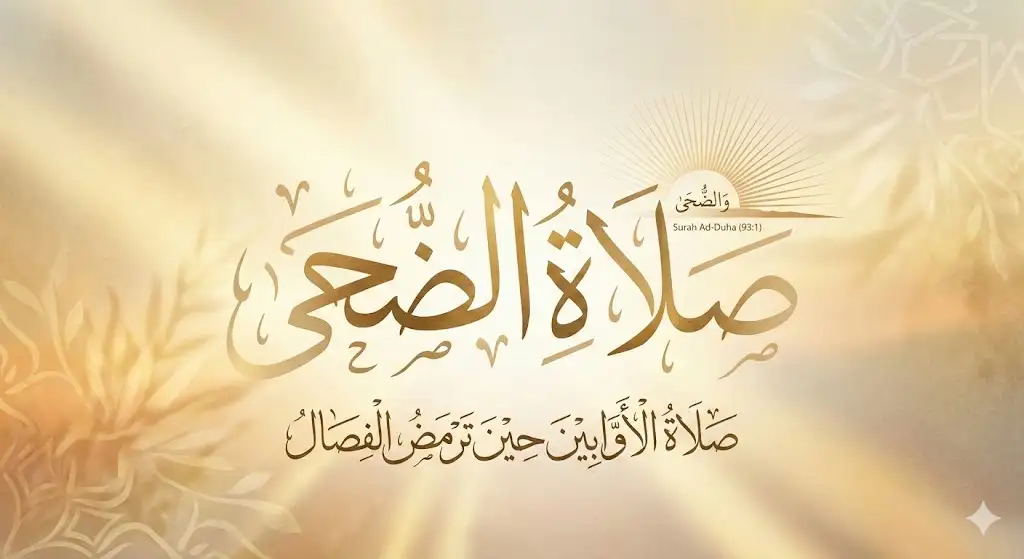
Chasht Namaz, also known as Ṣalāt al-Ḍuḥā, is a voluntary prayer offered in the forenoon after the sun rises high. It is prayed between sunrise and noon, with the best time being late morning when the sun’s warmth is felt.
Word by Word
- Chasht: Late morning time
- Ṣalāt: Formal prayer
- Ḍuḥā: When sunlight spreads and brightens
This prayer is not random — it is time-sensitive worship.
Chasht Namaz Time — Exact Start, Best Time, and End
Chasht Namaz time begins about 15–20 minutes after sunrise, once the sun has risen high. Its best time is late morning when the heat of the sun is noticeable. It ends just before zawal, shortly before Zuhr prayer begins.
Time Breakdown (Fiqh-Accurate)
| Phase | Ruling |
|---|---|
| Sunrise → ~15–20 min | Makruh (not allowed) |
| Sun gains height | Chasht begins |
| Late morning | Best & Sunnah time |
| Before Zawal | Chasht ends |
Hanafi principle: Prayer begins after irtifā‘ al-shams (sun’s ascent).
Why Late Morning Is the Sunnah Time
The most virtuous time for Chasht Namaz is late morning, not early after sunrise. This timing is proven by authentic hadith describing Duha as the prayer offered when the sun’s heat becomes noticeable, showing preference for a later, more demanding time.
The Core Hadith (Primary Proof)
Arabic
صَلَاةُ الْأَوَّابِينَ حِينَ تَرْمَضُ الْفِصَالُ
Transliteration
Ṣalāt al-awwābīn ḥīna tarmaḍu al-fiṣāl
English (Saheeh International)
“The prayer of those who constantly return to Allah is when the young camels feel the heat of the sun.”
Urdu (Fateh Muhammad Jalandhari)
“اللہ کی طرف بار بار رجوع کرنے والوں کی نماز اس وقت ہوتی ہے جب اونٹ کے بچوں کے پاؤں دھوپ سے گرم ہو جائیں۔”
Scholarly Insight
- Imam Nawawi explains this refers to late forenoon, not sunrise.
- This proves preference, not restriction — flexibility remains.
Chasht Namaz Rak‘ahs — How Many to Pray?
Chasht Namaz has no fixed number of rak‘ahs. The minimum is two rak‘ahs, four or six are commonly prayed, and up to eight are authentically reported. This flexibility is intentional, allowing consistency without hardship.
Word by Word
- Rak‘ah: A complete prayer unit
- Flexibility: A Sunnah feature, not a weakness
Scholarly Range
- Minimum: 2
- Preferred: 4 or 6
- Maximum (authentic reports): 8
Benefits of Chasht Namaz (Hadith-Based)
Chasht Namaz serves as daily charity for every joint of the body, brings barakah into work, helps with consistency in worship, and protects from spiritual negligence during busy hours. Two rak‘ahs of Chasht suffice as charity for the entire body.
The Foundational Hadith
Arabic
يُصْبِحُ عَلَى كُلِّ سُلَامَى مِنْ أَحَدِكُمْ صَدَقَةٌ … وَيُجْزِئُ مِنْ ذَلِكَ رَكْعَتَانِ يَرْكَعُهُمَا مِنَ الضُّحَى
Transliteration
Yusbihu ‘alā kulli sulāmā min aḥadikum ṣadaqah… wa yujzi’u min dhālika rak‘atāni yarka‘uhumā minaḍ-ḍuḥā
English (Saheeh International)
“Each joint of a person must perform charity every day… and two rak‘ahs of Duha suffice for all of that.”
Urdu (Jalandhari)
“تم میں سے ہر شخص کے ہر جوڑ پر روزانہ صدقہ لازم ہے… اور چاشت کی دو رکعتیں اس سب کے لیے کافی ہیں۔”
Is Chasht Namaz Mentioned in the Quran?
Chasht Namaz is not commanded by name in the Quran, but the time of Duha is honored directly. Allah swears by Duha time in Surah ad-Duha, showing its spiritual significance and supporting the virtue of worship during this period.
Quranic Connection
Arabic
وَالضُّحَىٰ
Transliteration
Waḍ-ḍuḥā
English (Saheeh International)
“By the morning brightness.”
Urdu (Jalandhari)
“قسم ہے دن چڑھے کے وقت کی۔”
Tafsir Note
- Ibn Kathir: Allah’s oath shows the honor and barakah of this time.
Ishraq vs Chasht — Are They the Same?
Ishraq and Chasht are part of the same Duha prayer category but differ in timing. Ishraq is prayed immediately after sunrise, while Chasht refers to praying later in the forenoon. The reward increases with later timing.
| Aspect | Ishraq | Chasht |
|---|---|---|
| Time | Just after sunrise | Late morning |
| Emphasis | Early remembrance | Sustained devotion |
| Reward | Great | Greater |
Madhab Perspectives on Chasht Time
All four Sunni madhabs agree on the permissibility and virtue of Chasht Namaz. Differences exist only in emphasis, not validity. Hanafi scholars stress avoiding sunrise makruh time, while others highlight the virtue of later forenoon prayer.
- Hanafi: Sun must gain height
- Shafi‘i & Hanbali: Late time preferred
- Maliki: Permissible and virtuous
Chasht Namaz in Modern Life
Here’s why this matters for you today.
Chasht Namaz aligns perfectly with a Spiritual Habit Loop:
- Cue: Mid-morning mental fatigue
- Action: 2–4 rak‘ahs
- Reward: Reset, clarity, barakah
In a world of constant notifications, Chasht is intentional interruption — worship at the peak of distraction.
This is not retreat from life.
It’s training the soul inside life.
People Also Ask:
It is a voluntary (nafl) prayer strongly encouraged by the Prophet ﷺ.
Yes. The Prophet ﷺ advised regular consistency.
There is no makeup. Simply resume the next day.
Yes, as long as it is before zawal.
The Heart of the Issue
Chasht Namaz teaches something powerful:
Allah is remembered not only at dawn or night, but in the middle of effort.
That’s why its time matters.
And that’s why its reward lasts.
