What is the Islamic view on intimacy and desires?
In Islam, human desires and physical intimacy are not inherently evil; they are natural inclinations meant to be fulfilled within the halal boundaries of marriage. True spiritual purity (Tazkiyah) is achieved by guarding one’s chastity, seeking Allah’s protection against the lower self, and remaining focused on the ultimate reward of the Hereafter.
Guarding Chastity and Honoring Intimacy
Islam takes a uniquely balanced approach to physical intimacy. Unlike philosophies that demand total asceticism or those that promote unrestricted indulgence, Islam channels these desires gracefully through marriage.
The Quran repeatedly emphasizes the spiritual and physical equality of men and women in maintaining this purity. A profound example of this equal responsibility and its corresponding divine reward is found in Quran 33:35, which specifically praises the men and women who guard their private parts and remember Allah often. True chastity is not just a physical state, but a spiritual discipline that elevates the believer.
Seeking Protection from the Lower Self (Nafs)
Even with clear divine guidelines, the human struggle against base desires (Nafs al-Ammarah) is a constant, lifelong effort. To achieve spiritual purity, believers are taught to actively seek divine intervention rather than relying solely on willpower.
One of the most powerful prophetic supplications for this exact struggle is the dua: Allahumma Alhimni rushdi, wa a idhni min sharri nafsi. By praying “O Allah, inspire me with guidance and protect me from the evil of my soul,” Muslims equip themselves with a daily spiritual shield against giving in to unlawful desires.
The Ultimate Supplication for Purity and Chastity
The Dua (Arabic):
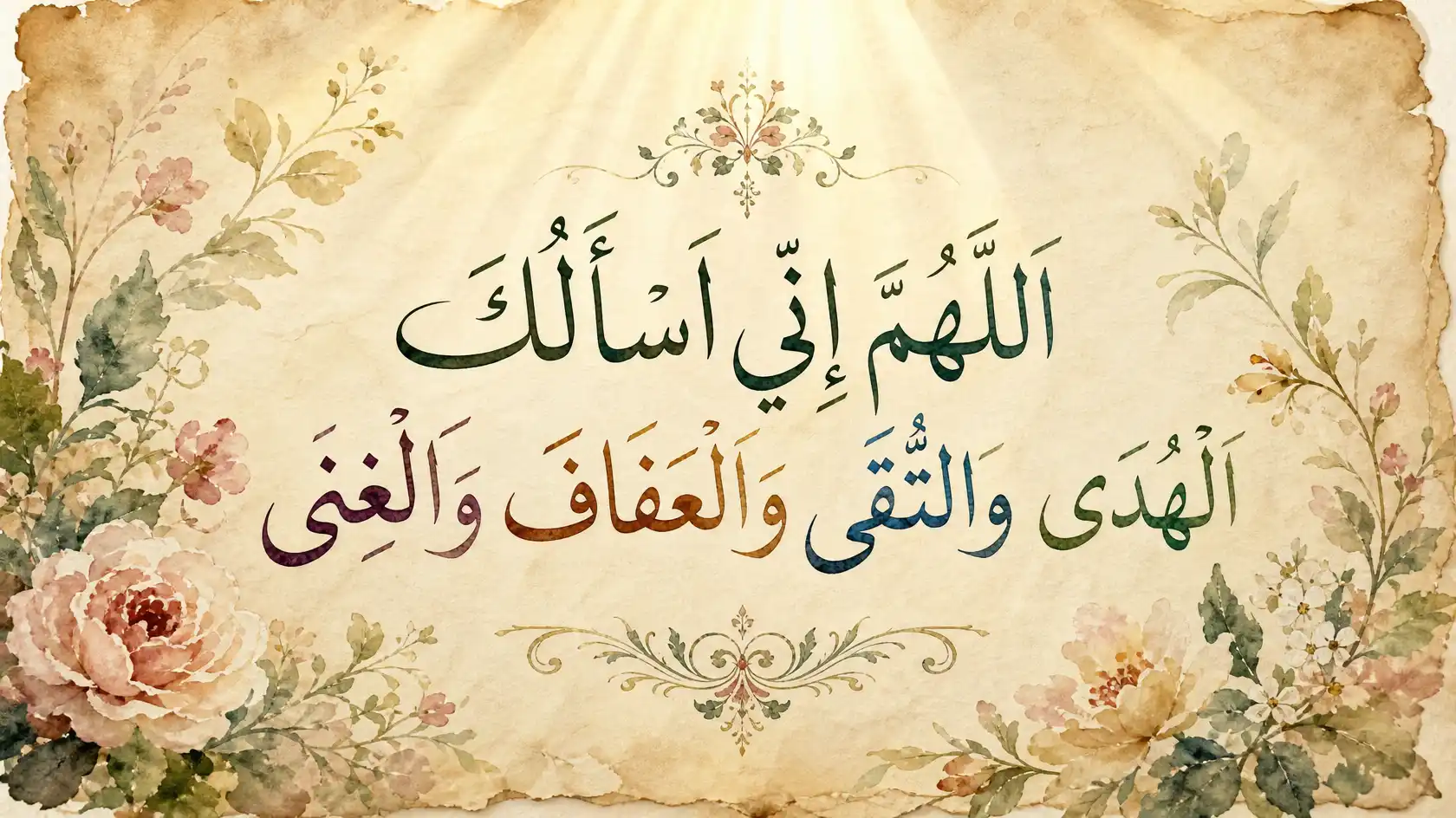
اللَّهُمَّ إِنِّي أَسْأَلُكَ الْهُدَى وَالتُّقَى وَالْعَفَافَ وَالْغِنَى
Transliteration:
Allahumma inni as’aluka al-huda wat-tuqa wal-‘afafa wal-ghina.
English:
“O Allah, I ask You for guidance, piety, chastity, and self-sufficiency.”
Urdu:
اے اللہ! بے شک میں تجھ سے ہدایت، تقویٰ، پاکدامنی اور غنا کا سوال کرتا ہوں۔
Hindi:
ऐ अल्लाह! बेशक मैं तुझसे हिदायत, तक़वा, पाकदामनी और बेनियाज़ी का सवाल करता हूँ।
(Reference: Sahih Muslim 2721)
Why this fits perfectly:
- Al-Huda (Guidance): Connects to the seeker’s journey toward the right path.
- At-Tuqa (Piety): Connects to the fear of accountability and the spiritual struggle map.
- Al-‘Afaf (Chastity): Directly addresses the core theme of the article—guarding physical intimacy and desires.
- Al-Ghina (Self-sufficiency/Contentment): The ultimate cure for the Nafs, finding contentment in what Allah has made halal without yearning for the haram.
The journey of the believer, step by step:
- The human soul (nafs): inclined to desires.
- The spiritual struggle: resisting unlawful intimacy.
- Divine assistance: seeking Allah’s guidance through dua.
- Certainty of resurrection: knowing we will be judged.
- Jannah: the eternal pleasure.
The Certainty of Accountability
The motivation to remain chaste and pure is deeply tied to the Islamic belief in absolute accountability. Understanding that the physical body will be recreated and questioned grounds the believer’s daily actions.
The Quran confirms this divine capability regarding the resurrection of mankind, stating Innahu ala raj ihi la qadir , meaning “Indeed, He is able to return him (to life).” This certainty transforms physical discipline from a worldly restriction into a profound, calculated spiritual investment.
The Ultimate Reward in Jannah
For those who successfully navigate the trials of their desires, maintain their chastity, and purify their souls, the promised reward is eternal bliss. The struggles of the worldly life—including the restraint of physical desires—are temporary, but the peace of the Hereafter is permanent.
The Quran beautifully summarizes this triumph for the believers: Innal abrara lafi naim, confirming that “Indeed, the righteous will be in pleasure.” Ultimately, the restriction of the worldly Nafs is what unlocks the boundless rewards of Paradise.
