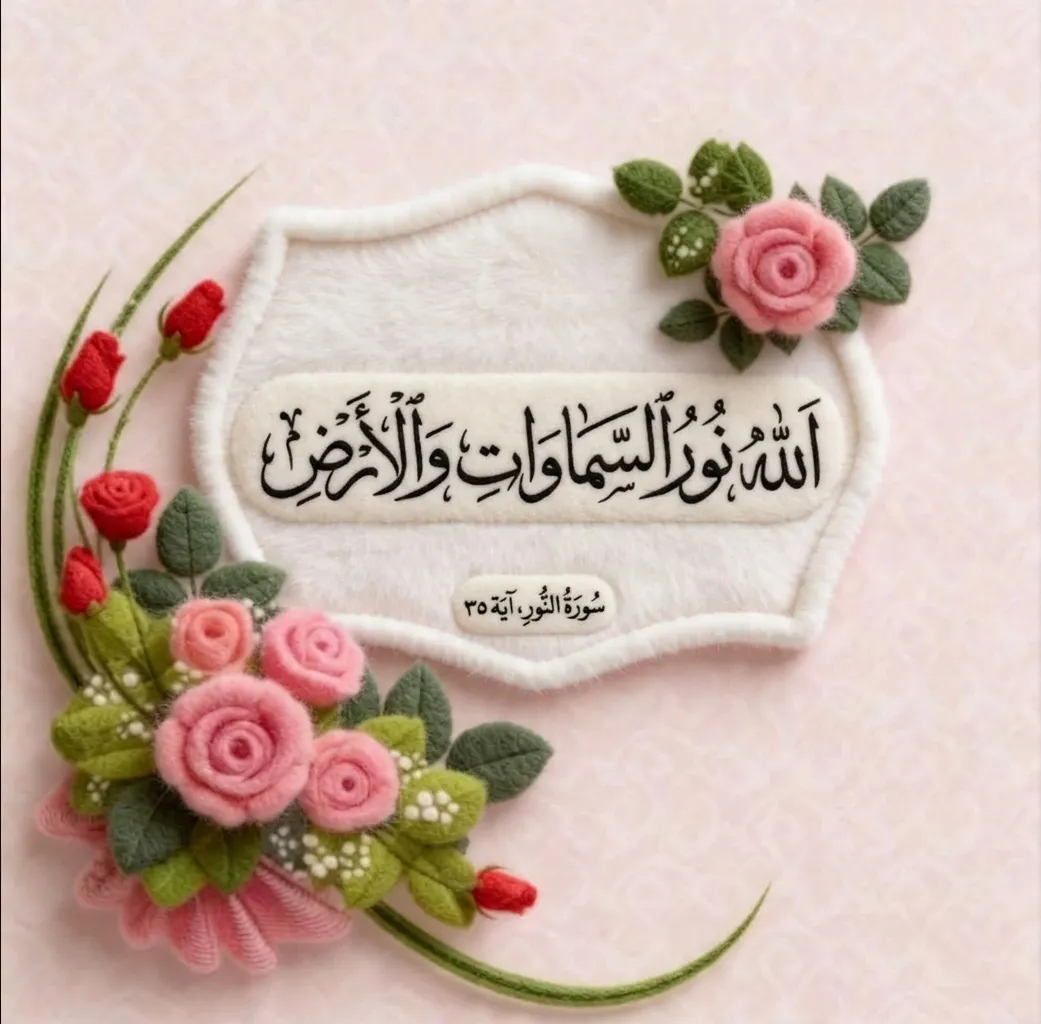
What if one Qur’anic verse could become your daily light switch—turning on guidance, peace, and direction when you feel confused or anxious? The famous Ayat an‑Nūr – “Allahu Nooru Samāwāti wal‑Arḍ” – is more than a beautiful metaphor. It is a spiritual anchor many Pakistani and South‑Asian Muslims already recite as a wazifa, but very few integrate it into a real, repeatable daily habit. This article shows you how to turn this verse into a simple Spiritual Habit Loop you can use every day.
What This Verse Says:
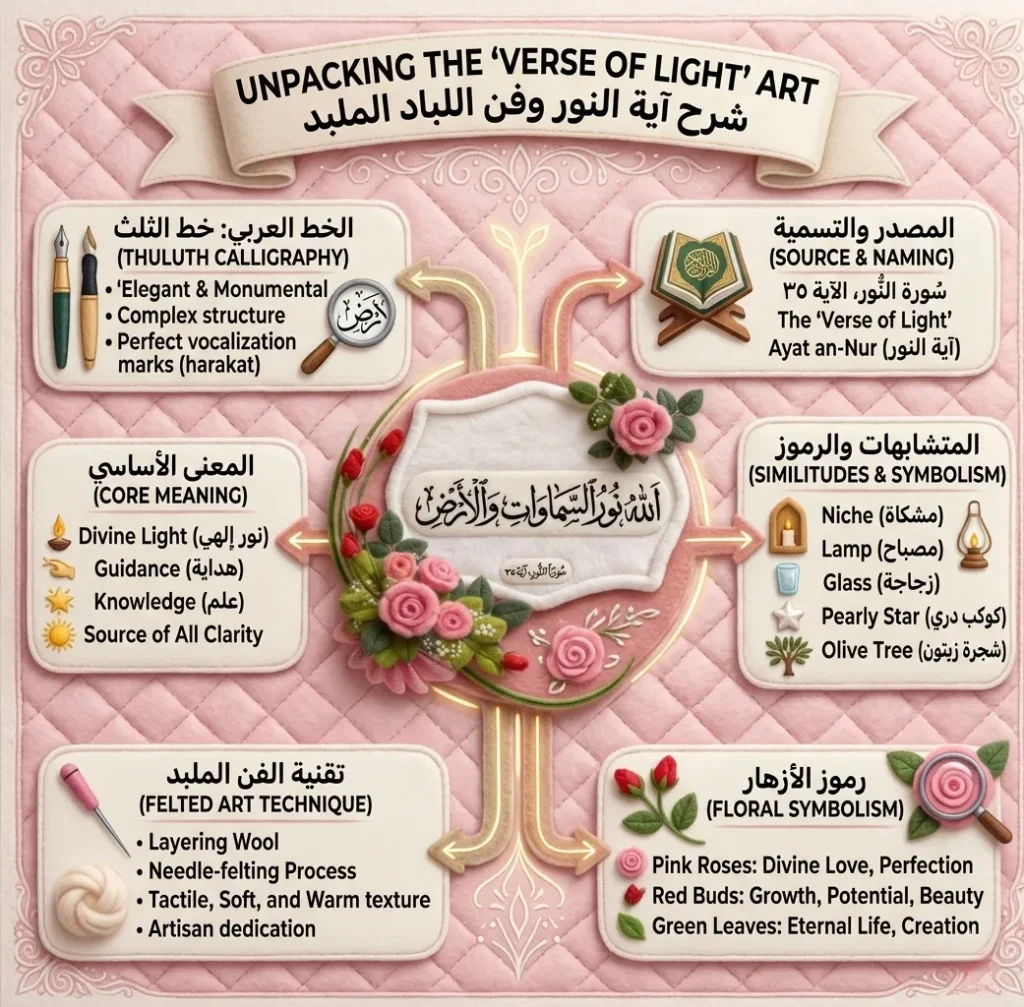
Surah An‑Nūr, verse 35 begins with: “Allahu Nooru Samāwāti wal‑Arḍ” – “Allah is the Light of the heavens and the earth.” The verse then uses a metaphor of a niche, a lamp inside glass like a shining star, lit from a blessed olive tree, to show how divine guidance shines in the heart of the believer. The light is not physical; it is the light of truth, knowledge, mercy, and clarity. Allah guides to this light whom He wills, which means your job is simply to open your heart and repeat this light regularly.
Quranic Reference and Where It Comes From
This verse is Surah An‑Nūr, verse 35 (24:35), the 24th chapter of the Qur’an, revealed in Madinah. It is widely known as Āyat an‑Nūr (the Verse of Light) because it uses the metaphor of light to explain guidance, faith, and the condition of the heart.
Multilingual Proof: Arabic, Roman, English, Urdu
Arabic:
اللَّهُ نُورُ السَّمَاوَاتِ وَالْأَرْضِ ۖ مَثَلُ نُورِهِ كَمِشْكَاةٍ فِيهَا مِصْبَاحٌ ۖ الْمِصْبَاحُ فِي زُجَاجَةٍ ۖ الزُّجَاجَةُ كَأَنَّهَا كَوْكَبٌ دُرِّيٌّ يُوقَدُ مِن شَجَرَةٍ مُّبَارَكَةٍ زَيْتُونَةٍ لَّا شَرْقِيَّةٍ وَلَا غَرْبِيَّةٍ يَكَادُ زَيْتُهَا يُضِيءُ وَلَوْ لَمْ تَمْسَسْهُ نَارٌ ۗ نُورٌ عَلَىٰ نُورٍ ۗ يَهْدِي اللَّهُ لِنُورِهِ مَن يَشَاءُ ۗ وَيَضْرِبُ اللَّهُ الْأَمْثَالَ لِلنَّاسِ ۗ وَاللَّهُ بِكُلِّ شَيْءٍ عَلِيمٌ
Transliteration:
Allāhu nūru s‑samāwāti wal‑arḍi, mathalu nūrihi kamishkātin fīhā miṣbāḥ, al‑miṣbāḥu fī zujājatin, az‑zujājatu ka‑annahā kawkabun durriyyun, yūqadu min shajaratin mubārakatin zaytūnatin lā sharqiyyatin walā gharbiyyatin, yakādu zaytuhā yuḍīu wa‑law lam tamsash‑nārun, nūrun ʿalā nūrin, yahdī Allāhu linūrihi man yashā, wa‑yaḍribu Allāhu al‑amthāla lil‑nāsi, wa‑llāhu bikulli shay’in ʿalīm.
English (Saheeh International):
“Allah is the Light of the heavens and the earth. The example of His light is like a niche within which is a lamp, the lamp is within glass, the glass as if it were a pearly [white] star lit from [the oil of] a blessed olive tree, neither of the east nor of the west, whose oil would almost glow even if untouched by fire. Light upon light. Allah guides to His light whom He wills. And Allah presents examples for the people, and Allah is Knowing of all things.”
Urdu (Fateh Muhammad Jalandhari):
اللہ ہی ساری آسمانوں اور زمین کی روشنی ہے۔ اس کی روشنی کی مثال ایسی ہے جیسے ایک گھریلے میں چراغ رکھا ہوا ہو، چراغ شیشے کے گولے میں ہے، شیشہ گویا کہ ایک چمکدار تارے کی مثل ہو، چراغ ایک مبارک زیتون کے درخت کے تیل سے روشن ہو جس کے تیل کا ظہور ہو جائے، گویا کہ وہ چراغ بھڑک اٹھے، گویا کہ آگ نے اسے چھوا ہی نہ ہو۔ اسے روشنی کے اوپر روشن Salvation فرماتے ہیں۔ اللہ جسے چاہے، اپنی روشنی کی طرف ہدایت کرتا ہے۔ اور اللہ لوگوں کے لیے امثال بیان کرتا ہے، اور اللہ تو ہر چیز پر خوب واقف ہے۔
Word‑by‑Word Meaning (Simple)
- Allāhu: Allah – the Self‑Sufficient, Ever‑Existing Lord.
- Nūru: Light – guidance, knowledge, mercy, clarity.
- S‑samāwāti wal‑arḍi: The heavens and the earth – the whole universe.
- Mathalu nūrihi: The example of His light – Allah explains guidance through a metaphor.
- Mishkātin fīhā miṣbāḥ: A niche with a lamp inside – protection and focus for light.
- Fī zujājatin: Within glass – clarity and protection.
- Kawkabun durriyyun: A shining star – pure, radiant light.
- Shajaratin mubārakatin zaytūnatin: A blessed olive tree – pure, blessed source.
- Nūrun ʿalā nūrin: Light upon light – guidance layered with more guidance.
Understanding these words helps you feel the verse, not just recite it.
Why This Verse Matters for You
For many Pakistani and South‑Asian Muslims, life is full of noise: work pressure, social media, family stress, and uncertainty. Ayat an‑Nūr reminds you that Allah is the real source of light and clarity. Classical scholars like Ibn Kathīr explain that the niche, glass, lamp, and blessed tree symbolize the believer’s heart, the Qur’an, and the protection of faith. This verse is your daily reset: a short, powerful reminder that Allah is guiding you, even when you feel lost.
The Spiritual Habit Loop (Trigger → Ritual → Reward)
You can turn this verse into a simple daily habit:
- Trigger:
- Wake‑up moment
- Time before sleep
- When you feel anxiety, confusion, or heaviness
- Ritual:
- Recite Surah An‑Nūr 35 once clearly.
- Then repeat “Allahu Nooru Samāwāti wal‑Arḍ” several times.
- How many times? Start with 3–7, and if you feel comfortable over time, build up to 41. There is no fixed number in the Qur’an; what matters is presence and repetition.
- Follow with a short dua like:
- “Rabbij’alnī minalladheena yastam’i’una qawla fa yattabi’ūna aḥsanaahu” – “Make me among those who listen to the best word and follow its best meaning.”
- Reward:
- A clearer mind when making decisions.
- A calmer heart and less mental fog.
- A stronger sense of Allah’s presence throughout the day.
This simple loop makes Ayat an‑Nūr a living practice, not just a one‑time recitation.
Wazifa: How Many Times and Benefits
- Recommended repetition: 3, 7, or 41 times daily, depending on your strength and time. Focus on consistency, not speed.
- Benefits:
- Increases guidance and clarity in choices.
- Protects the heart from spiritual darkness and heedlessness.
- Reduces anxiety and mental stress by giving your mind a clear, repeated anchor.
Many scholars and teachers treat this verse as a heart‑lighting practice, especially when recited with presence of heart (hudhūr al‑qalb).
Tying It to Two Powerful Duas
You can strengthen this light‑verse by linking it to two other short, powerful supplications:
- Rabbish‑Raḥli Ṣadrī (Heart‑Opening)
After the verse, say:
رَبِّ اشْرَحْ لِي صَدْرِي * وَيَسِّرْ لِي أَمْرِي * وَاحْلُلْ عُقْدَةً مِنْ لِسَانِي
(“My Lord, expand my chest, ease my affairs, and untie the knot from my tongue.”)
This helps you open your heart to receive the light.
Pair this verse with Rabbish‑raḥli ṣadrī for heart‑opening light. - Ya Muqallib al‑Qulūb (Heart‑Stabilizer)
After reciting the light‑verse, add:
“Ya Muqallib al‑Qulūb, thabbit qalbī ʿalā dīniki”
(“O Turner of Hearts, make my heart firm upon Your religion.”)
This helps you keep the light alive instead of losing it.
Use Ya Muqallib al‑Qulūb to stabilize your heart with Allah’s light.
Together, they form a simple daily light‑circuit for your heart.
Hadith & Light in the Heart
- Sahīh Muslim 249 mentions that there is light in the heart of the believer, which grows with good deeds and diminishes with sin. This directly connects with the idea of “light upon light” in Ayat an‑Nūr.
- Various hadiths warn that on the Day of Judgment, people will be in darkness, and only those who brought light in their hearts will be safe. This shows that the “light” in this verse is about real spiritual survival, not just a poetic image.
FAQs:
Allahu Nooru Samāwāti wal‑Arḍ” means “Allah is the Light of the heavens and the earth.” It explains that Allah’s light is the real source of guidance, clarity, and spiritual life in the entire universe, not just physical light. The verse then uses a metaphor of a niche, lamp, and blessed olive tree to show how this light quietly shines in the heart of the believer.
There is no fixed number in the Qur’an, but many scholars and teachers suggest starting with 3–7 times daily and, if you can, increasing to 41 times over time. The key is consistency and presence of heart, not just the number. You can recite it after Fajr, before sleep, or whenever you feel confusion or anxiety.
Yes. “Allahu Nooru Samāwāti wal‑Arḍ” is the 35th verse of Surah An‑Nūr, the 24th chapter of the Qur’an. It is the beginning of the famous Āyat an‑Nūr (Verse of Light) and is not repeated in exactly the same form in another surah, though other verses also speak about light and guidance.
Regular recitation of this verse helps:
Increase guidance and clarity in decisions,
Protect the heart from spiritual darkness and heedlessness,
Bring inner peace, calm, and a stronger sense of Allah’s presence,
Soften the heart and make it easier to distinguish right from wrong.
Psychologically, it can reduce anxiety and mental fog because it gives your mind a clear, repeated anchor in remembrance of Allah.
There is no hadith that directly quotes this exact verse, but there are well‑known hadiths about light in the heart that connect strongly with its meaning. For example, in Sahīh Muslim, the Prophet ﷺ said that there is a light in the heart of the believer which grows with good deeds and weakens with sin. Other hadiths describe how people will be in darkness on the Day of Judgment, and only those who brought light in their hearts will be saved, matching the idea of “light upon light” in this verse.
Many scholars and teachers recommend this verse as a daily spiritual habit for anxiety and low mood, because it reminds you that Allah is the real source of light and help. When you recite it regularly with sincerity, it can calm the heart, reduce fear, and increase trust in Allah. However, it should be used alongside medical or professional help if you or someone else is dealing with clinical depression or serious mental health issues; it is a spiritual support, not a replacement for treatment.
The Urdu translation of Surah An‑Nūr 35 explains that Allah is the Light of the heavens and the earth, and His light is like a niche with a lamp inside glass, shining like a bright star, lit from a blessed olive tree whose oil almost glows even without touching fire. This “light upon light” means that Allah’s guidance multiplies in the heart of the one who seeks it, and He guides whom He wills to His light, while being fully aware of everything. (You can also quote the exact Urdu translation of Fateh Muhammad Jalandhari that you already included in the article for this section.)
